Feature — Page 02
One jacket, traced.
This is the LOAM Field Jacket, garment nº 04-117. What follows is everything that happened to it, in order, with nothing left out.
Chapter 01 — FiberKutch, IN
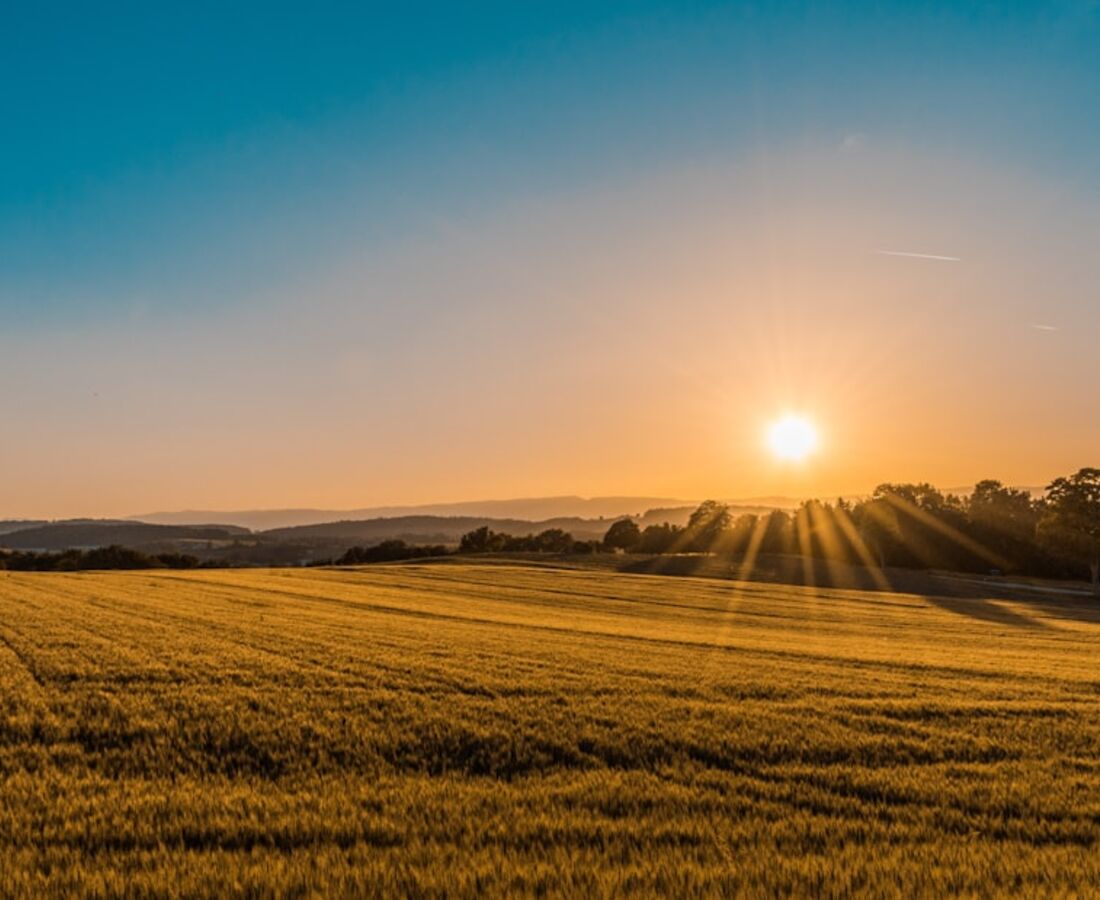
It begins as rain.
Our cotton is rain-fed, not irrigated — grown on four family farms in Kutch that have never touched a synthetic pesticide. The fiber is longer, the soil is alive, and the farmers are paid before the seed goes in, not after the bale comes out.
Footnote¹212 litres of water per jacket, against an industry average of 2,700. Most of ours falls from the sky.
Chapter 02 — DyeAuroville, IN
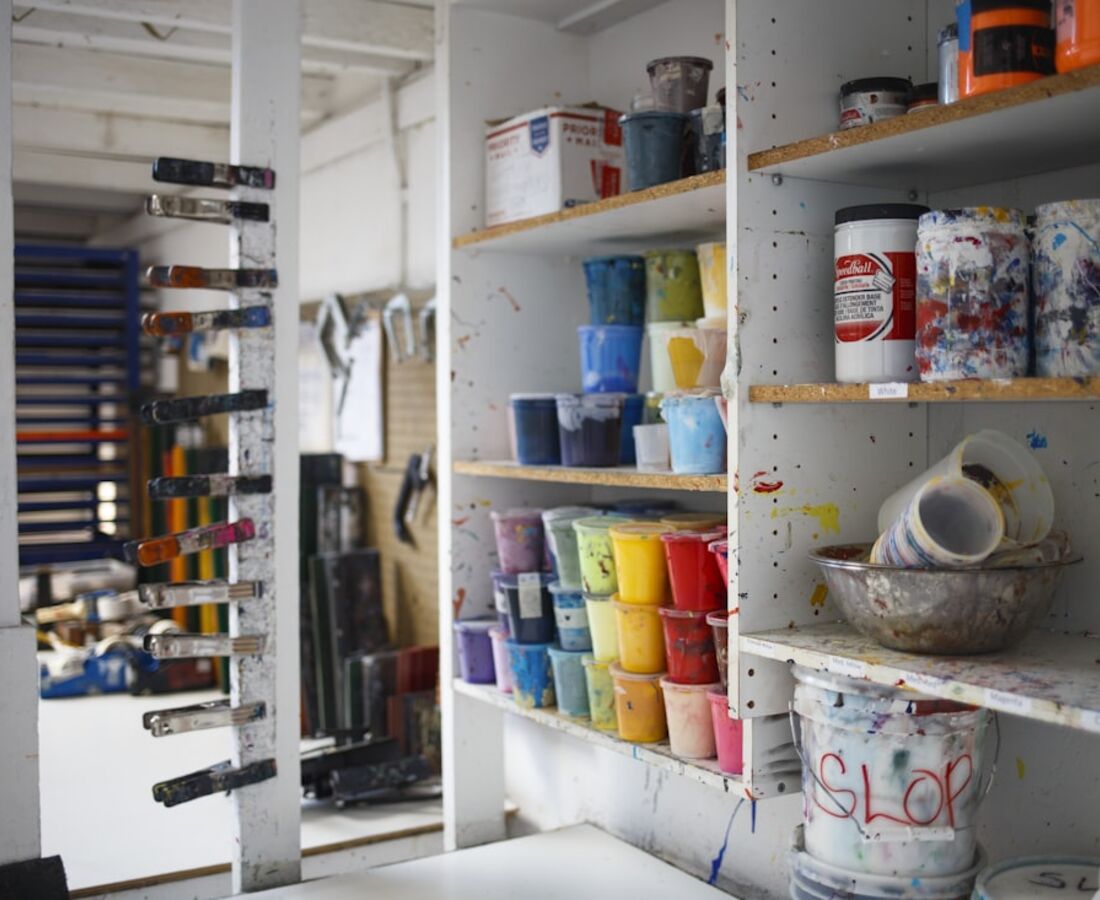
Colour from roots, not vats.
Every shade we sell comes from a plant you could name: indigo leaf, madder root, myrobalan, pomegranate rind. The dye water leaves the studio clean enough to feed the garden — and it does, every evening at five.
Footnote²Zero AZO compounds, zero heavy metals. The garden tomatoes are, reportedly, excellent.
Chapter 03 — WeaveErode, IN
Woven slow, on purpose.
Fast looms stress fiber; ours run at two-thirds speed and the cloth lasts twice as long. The mill is GOTS-certified, runs mostly on its own rooftop sun, and weaves our twill in batches small enough to sign.
Footnote³Batch AW26 — 400 metres, loom nº 7, signed by mill-master P. Senthil.
Chapter 04 — SewTiruppur, IN
Forty-three pairs of hands.
The atelier employs forty-three makers, every one on a full living wage — audited twice a year, published every year. Look inside your collar: the maker’s name is stitched there, because pride should be traceable too.
Footnote⁴Living wage benchmark: 1.9× the local minimum. Your jacket was sewn by Kavitha R.
Chapter 05 — ReturnEverywhere
Worn long. Returned whole.
Wear it for decades — we repair it free, forever. And when it is truly done, send it home: every LOAM piece is designed to compost, buttons unscrewed, in under five years. Clothes from the earth, returned to it. Hence the name.
Footnote⁵2,114 garments returned to soil so far. The field jacket becomes, roughly, one wheelbarrow of loam.
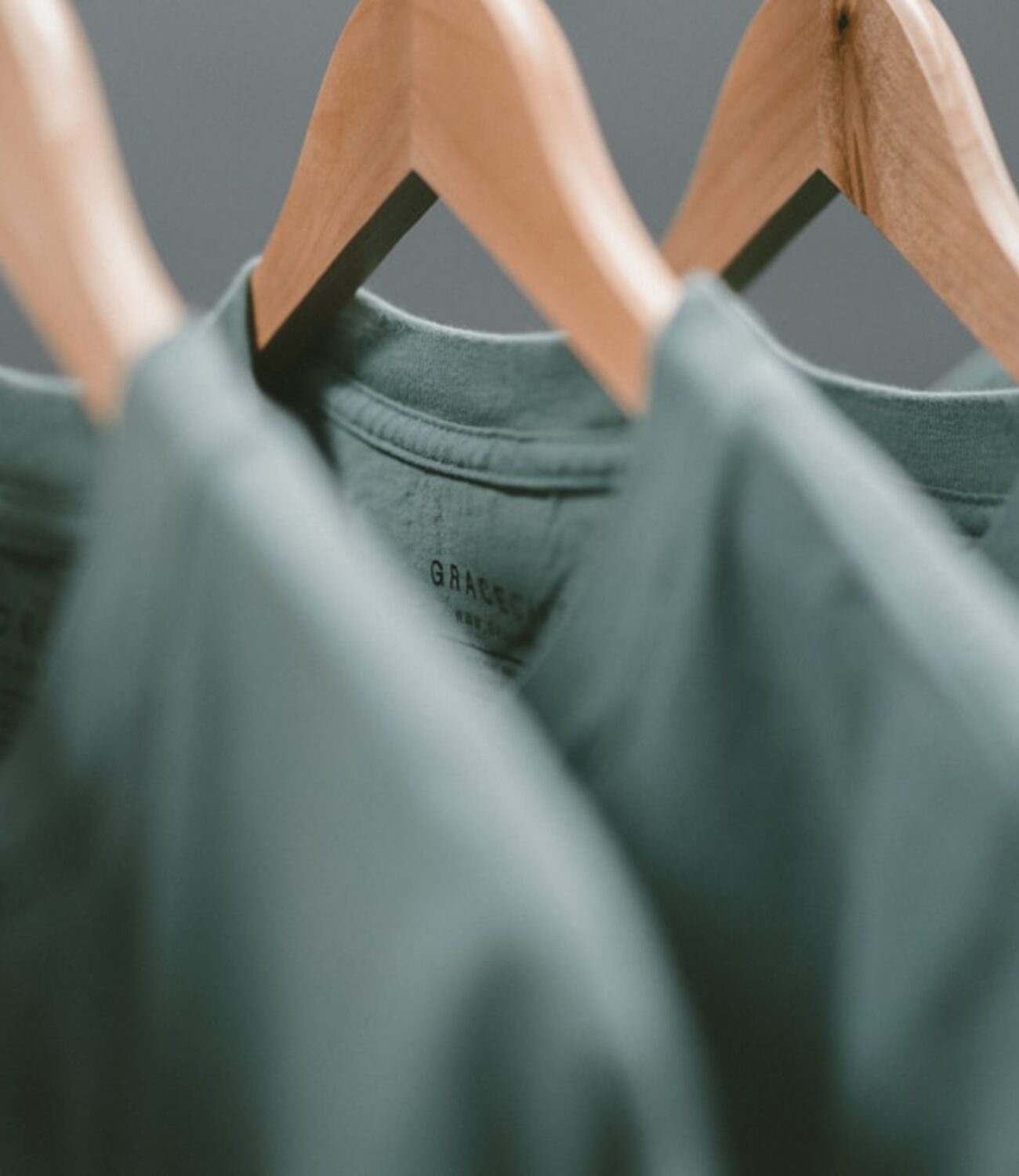 Cover — plate 0 · undyed & sage, batch AW26